
Uganda Environments, Vol 1
Explore Uganda’s rural and urban soundscapes through Global Sound Movement’s curated field recordings, capturing everyday life, music and natural environments
This research output by Global Sound Movement comprises a curated digital archive of field recordings captured across diverse rural and urban locations in Uganda. Disseminated as a publicly accessible album via digital streaming platforms, the work operates at the intersection of sonic art, sound studies, and ethnographically informed practice-as-research.
The archive documents everyday sonic environments including environmental soundscapes, vernacular musical practices, and socio-cultural ambiences, recorded using high-resolution field recording methodologies. In line with recent scholarship, the recordings are not presented as neutral documentary artefacts but as situated, interpretive encounters shaped by listening, movement, and relational presence (Gallagher, 2016; Ingold, 2021). Sound is mobilised here as both material and method, positioning listening as a form of knowledge production rather than passive reception.
The research engages critically with debates around the ethics and politics of sonic representation, particularly in post-colonial contexts. Drawing on contemporary sound studies, the project resists extractive models of ethnographic documentation by foregrounding duration, attentiveness, and contextual integrity (LaBelle, 2015; Cox, 2018). The decision to release the archive in an open, non-hierarchical album format challenges traditional academic and curatorial modes of dissemination, aligning instead with everyday listening cultures and participatory access.
Within UoA 34, the output contributes to current discourses on sound art, acoustic ecology, and global listening practices. It demonstrates how practice-based research can function simultaneously as creative output, sonic archive, and critical inquiry. The Uganda field recording archive exemplifies the Global Sound Movement’s broader research agenda: to reposition global soundscapes as active sites of artistic, cultural, and scholarly significance, and to use sound as a medium for intercultural understanding and reflective engagement with place.
Shop the sounds

Uganda Loops
Loops from Uganda - Experience the melodic and rhythmic traditions of Uganda with this distinctive loop library, showcasing the unique sounds of the Akogo and Endigidi instruments. Recorded in their cultural settings, this pack captures the essence of Uganda’s rich musical heritage.
Africa Atmospheres
Northern and Central Africa Sound Library - This sound library captures the rich and diverse sonic tapestry of Northern and Central Africa, offering an unparalleled auditory journey.
Additional Information
Originality
The research demonstrates originality through its methodological and dissemination choices within sonic arts practice. Rather than treating field recordings as ethnographic data or compositional source material to be transformed into fixed musical works, the Global Sound Movement positions the archive itself as the primary research output. This reframing contributes original knowledge by foregrounding listening as an artistic and epistemic practice, aligning with contemporary sound studies while extending it through practice-led inquiry.
The use of a mainstream digital streaming platform as a research dissemination space constitutes an original intervention in practice-as-research, challenging established academic and institutional modes of archiving and circulation. By situating Ugandan soundscapes within everyday global listening cultures rather than specialist or museological contexts, the work proposes a novel model for sonic knowledge exchange and access.
Significance
The output is significant in its contribution to debates around sound art, acoustic ecology, and post-colonial listening practices within UoA 34. It advances understanding of how global soundscapes can function as sites of cultural knowledge without resorting to extractive or hierarchical representational frameworks. The archive offers sustained engagement with place-based sound, enabling audiences to encounter Ugandan environments through attentive listening rather than narrative mediation.
The public-facing nature of the output enhances its reach and significance beyond academic communities, engaging artists, educators, and general listeners internationally. This accessibility strengthens the work’s cultural value and aligns with REF’s emphasis on research that demonstrates clear intellectual and artistic contribution within and beyond the discipline.
Rigour
Rigour is evidenced through the systematic and reflective application of field recording methodologies, including high-resolution audio capture, careful site selection, and contextual sensitivity to environmental and cultural conditions. The research is underpinned by sustained engagement with contemporary sound studies scholarship, informing both the conceptual framing and ethical positioning of the work.
The curatorial structure of the archive reflects deliberate compositional and editorial decision-making, ensuring coherence while preserving the integrity of each sonic environment. The project demonstrates critical self-awareness regarding the politics of representation, mediation, and authorship, evidencing a robust and transparent research process consistent with best practice in practice-as-research within sonic arts.
Bibliography
Cox, C. (2018) Sonic Flux: Sound, Art, and Metaphysics. Chicago: University of Chicago Press.
Gallagher, M. (2016) Sounding Ruins: Sonic Art, Urban Exploration and Ruin Aesthetics. London: Bloomsbury.
Ingold, T. (2021) Imagining for Real: Essays on Creation, Attention and Correspondence. London: Routledge.
LaBelle, B. (2015) Background Noise: Perspectives on Sound Art. 2nd edn. New York: Bloomsbury.
Sterne, J. (2021) The Audible Past: Cultural Origins of Sound Reproduction. Durham: Duke University Press.
Related Articles
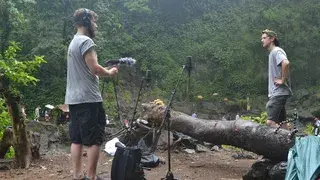
Bali Environments
Explore Bali Environments by Global Sound Movement: field recordings capturing Bali’s villages, temples, rivers and urban soundscapes in a changing landscape.
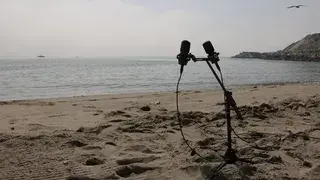
Gibraltar Environments
Explore Gibraltar’s soundscapes with Global Sound Movement: field recordings capturing caves, coastlines, wildlife, urban life and the airport.
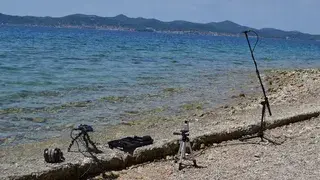
Croatia Environments
Explore Croatia Environments by Global Sound Movement: field recordings of Zadar’s Adriatic coastline, urban life, religious festivals and cultural traditions