The Field Archive
Every recording documented in context, attributed at source, and preserved to the highest archival standard.
The GSM Archive
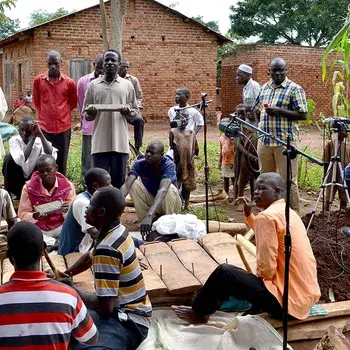
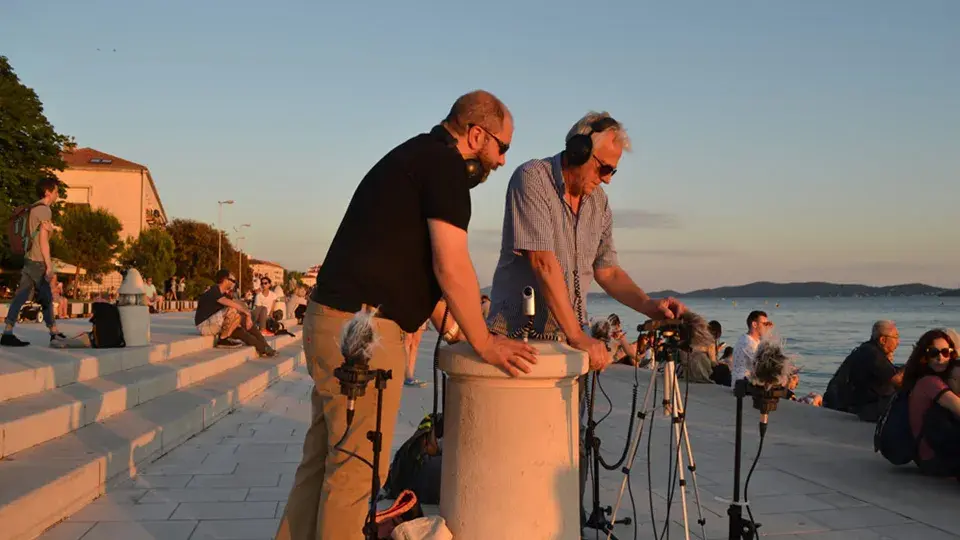
Our archive is not the product. It is the evidence of the work: thousands of recordings across dozens of cultures, documenting instruments, environments, and traditions that exist nowhere else on record. Every field recording becomes part of a growing global archive, structured, catalogued, and preserved for research, education, and cultural reference.
Watch the Fieldwork
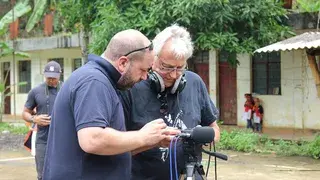
Every recording in the archive begins long before the microphone is placed. Our YouTube channel documents the process, the communities, the instruments, the environments, and the researchers who make the work possible. Fieldwork, made visible.
Hear the Collections
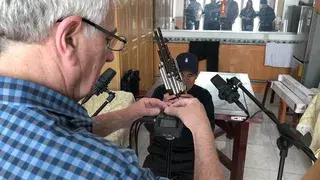
The sounds that define a culture deserve to be heard. Our collections present recordings from the field as listening experiences; each track or sound is contextualised, each tradition attributed, each sound exactly as it was captured at source.

Follow the research
Behind every collection is a story of access, trust, and discovery. Our stories go deeper into fieldwork conversations with researchers, community members, and cultural custodians about what it takes to document a world changing faster than we can record it.
Extend the work
For researchers, educators, and creative practitioners who want to bring field-recorded sound into their own work, our shop provides direct access to the archive. Every sound professionally documented, fully attributed, and cleared for use, rigour you can build on.
"Sound is the most human of all archives. When a tradition stops being heard, something essential about a people stops being known."
Beyond the recording
We believe cultural preservation only matters if it creates real-world value, for the communities we work with, for researchers, for educators, and for future generations. Our fieldwork informs:
- Educational programmes - Built around living sound traditions
- Research partnerships - Work with academic and cultural institutions
- Technology applications - Make rare sound heritage accessible
- Community projects - that return ownership of sound heritage to its source