
Gibraltar Environments
Explore Gibraltar’s soundscapes with Global Sound Movement: field recordings capturing caves, coastlines, wildlife, urban life and the airport.
This practice-based research output by the Global Sound Movement (GSM) presents a high-resolution sonic library of Gibraltar, capturing the acoustic ecology of the Rock and its surrounding urban and natural environments. Developed through in situ field recording, the project documents a geographically and culturally complex territory where British and Mediterranean influences intersect, producing a layered sonic identity. Recordings span caves, tunnels, coastal zones, urban centres, and ecologically significant sites, including Barbary macaques, insect activity, and maritime soundscapes. The inclusion of Gibraltar Airport recordings highlights the territory’s dense spatial relationships, where aviation, wildlife, and civic life coexist within a constrained environment .
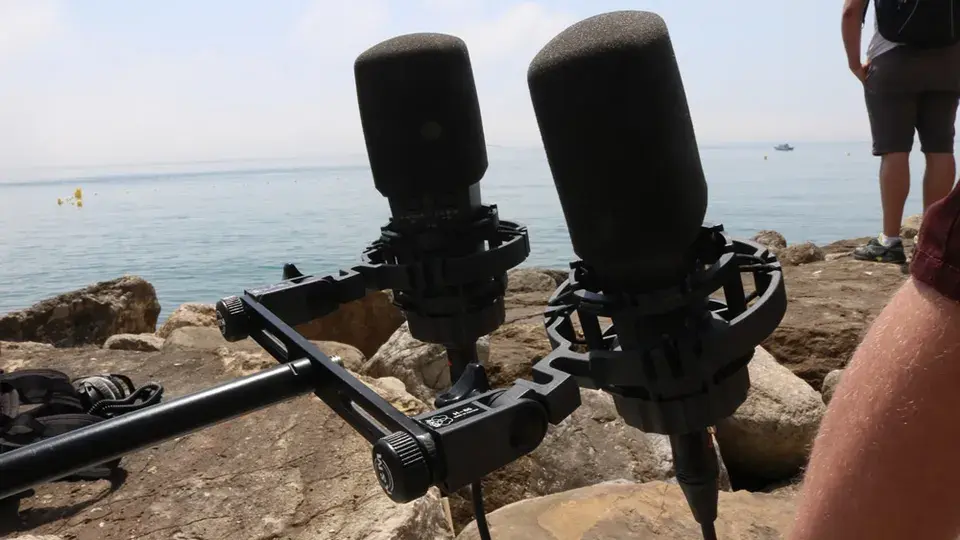
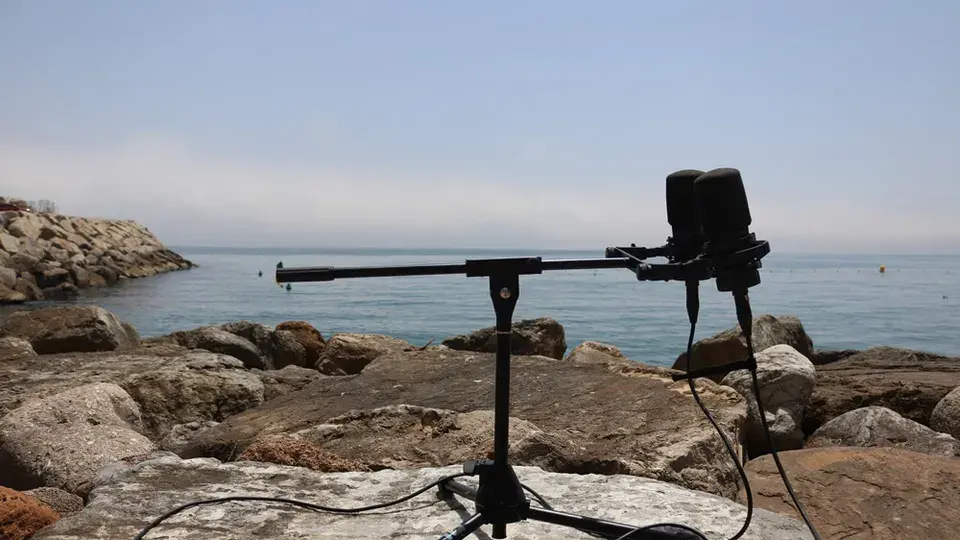
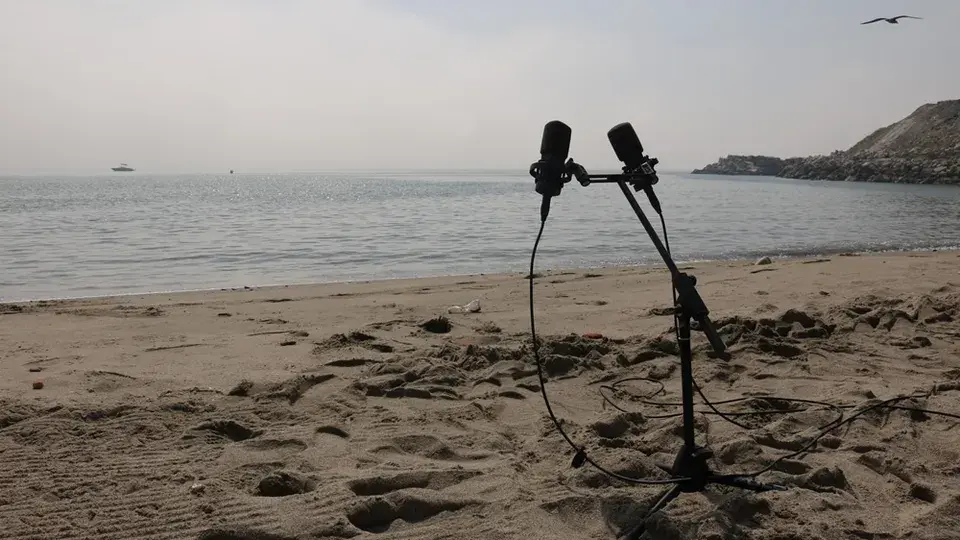

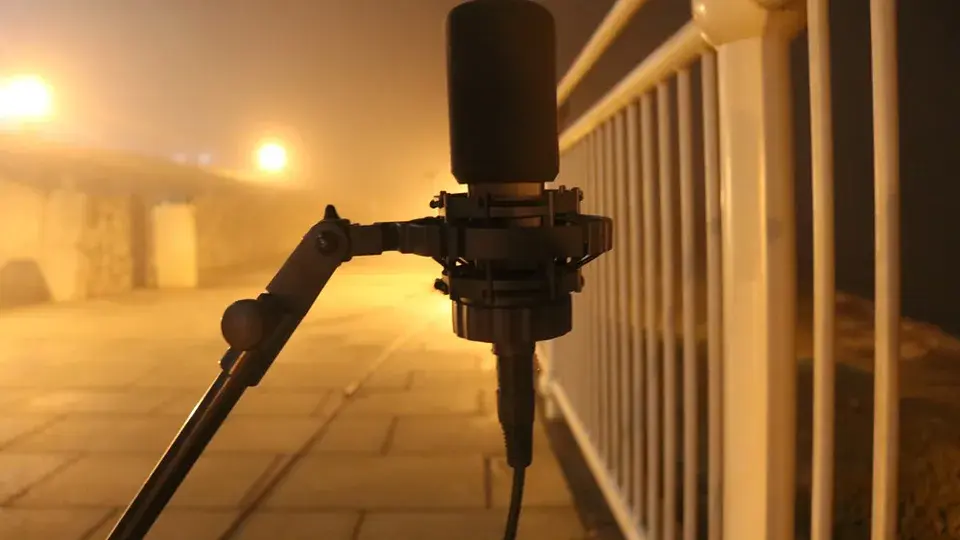
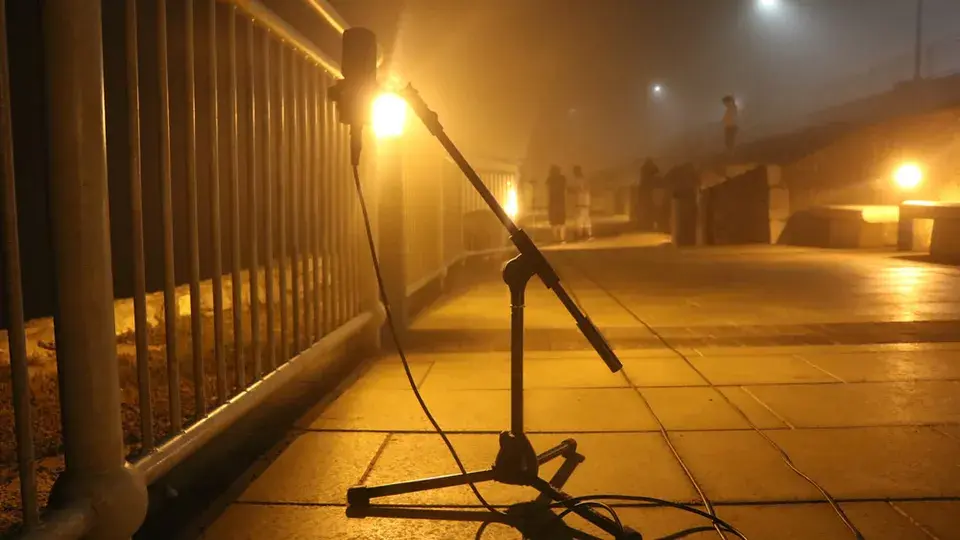
The methodology aligns with contemporary approaches in soundscape research and acoustic ecology, emphasising high-fidelity capture, spatial awareness, and environmental context (Farina, 2021; Gandy and Nilsen, 2014). By recording across multiple temporal and environmental conditions, GSM constructs a representative auditory archive that reflects both anthropogenic and biophonic elements, supporting current frameworks in ecoacoustics and sonic heritage preservation (Sueur and Farina, 2015; Devine, 2019). This approach is particularly significant in regions experiencing environmental and cultural change, where sound archives act as critical records of intangible heritage (UNESCO, 2022). Gibraltar’s position at the intersection of Europe and Africa further reinforces its value as a site of transnational acoustic identity and cultural exchange (Stokes, 2020).
Beyond documentation, the sonic library functions as a resource for creative and scholarly practice, enabling the reuse of authentic environmental recordings within music, media, and interdisciplinary research. GSM’s ethical and site-responsive methodology ensures cultural sensitivity while maintaining technical rigour, contributing to an expanding global archive of evolving soundscapes . The project demonstrates originality through its focus on an underrepresented territory, rigour through systematic fieldwork, and significance through its contribution to sonic heritage, ecological awareness, and contemporary creative practice.
Shop the sounds
Gibraltar Atmospheres
A pack with the ambient sounds of Gibraltar - this unique collection of Gibraltar soundscapes recorded across iconic locations.
Aviation Atmospheres
The pack also includes modern day commercial airliners recorded in multiple airports with a multiple files from Gibraltar.
Additional Information
Originality
The originality of this output lies in its focus on Gibraltar as an underrepresented acoustic environment and in the integration of diverse sonic categories within a single coherent archive. The project captures a uniquely dense soundscape in which wildlife, infrastructure, military history, and tourism coexist audibly, offering a perspective rarely addressed in soundscape research. Artistically, the work advances field recording practice by positioning the archive as both a research dataset and a creative resource. This dual function, combined with its emphasis on spatial and cultural hybridity, constitutes a distinctive contribution to contemporary sonic art and practice-based research.
Significance
This output is significant within both research and artistic contexts through its documentation and dissemination of Gibraltar’s unique sonic environment. As a geographically compact yet culturally complex territory positioned between Europe and Africa, Gibraltar presents a rare convergence of ecological, urban, and geopolitical sound sources. The project captures this intersection through recordings of caves, tunnels, wildlife, aviation, and everyday urban activity, producing a holistic auditory record of place . In line with contemporary discourse in soundscape ecology and intangible cultural heritage, such archives function as critical records of environments subject to environmental and socio-cultural change (Farina, 2021; UNESCO, 2022). The work extends beyond documentation by enabling reuse within composition, media, and sound design, thereby increasing the visibility of Gibraltar’s sonic identity within global creative practice and addressing imbalances in geographically diverse sound resources.
Rigour
The research demonstrates rigour through a systematic and methodologically robust field recording process. Recordings were undertaken in situ across multiple sites and temporal conditions, ensuring a representative capture of both biophonic and anthropogenic sound sources. High-resolution recording techniques preserve spatial and dynamic detail, supporting both analytical application and creative reuse. The project aligns with established and contemporary frameworks in acoustic ecology and ecoacoustics, emphasising contextual integrity and environmental specificity (Sueur and Farina, 2015). Ethical considerations underpin the approach, ensuring accurate and respectful representation of place and environment . This combination of technical precision, environmental awareness, and methodological consistency evidences a robust practice-based research process consistent with UoA34 expectations.
Bibliography
Devine, K. (2019) Decomposed: The Political Ecology of Music. Cambridge, MA: MIT Press.
Farina, A. (2021) Soundscape Ecology: Principles, Patterns, Methods and Applications. 2nd edn. Dordrecht: Springer.
Gandy, M. and Nilsen, B. (2014) The Acoustic City. Berlin: Jovis.
Stokes, M. (2020) Music and Identity in the Mediterranean. London: Routledge.
Sueur, J. and Farina, A. (2015) ‘Ecoacoustics: The Ecological Investigation and Interpretation of Environmental Sound’, Biosemiotics, 8(3), pp. 493–502.
UNESCO (2022) Operational Guidelines for the Implementation of the Convention for the Safeguarding of the Intangible Cultural Heritage. Paris: UNESCO.
Related Articles
Bali Environments
Explore Bali Environments by Global Sound Movement: field recordings capturing Bali’s villages, temples, rivers and urban soundscapes in a changing landscape.
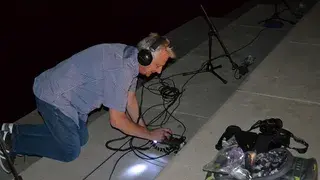
Croatia Environments - Sea Organ
Listen to Zadar’s Sea Organ through Global Sound Movement’s field recordings, capturing wave-powered harmonies along Croatia’s Adriatic waterfront.
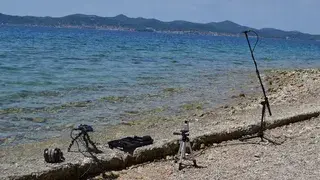
Croatia Environments
Explore Croatia Environments by Global Sound Movement: field recordings of Zadar’s Adriatic coastline, urban life, religious festivals and cultural traditions