
GSM Player
Create music with the GSM Player, Global Sound Movement’s browser-based sequencer. Explore global sounds and build rhythms, with no musical experience needed.
The GSM Player is a browser-based music sequencer developed through practice-as-research within UoA 34, integrating creative practice, digital design, and music research to expand public participation in music-making. The project responds to established debates in music and performance studies concerning access, authorship, and the social dimensions of musical engagement. Rather than positioning music creation as a specialist or professionally gated activity, the GSM Player foregrounds creative interaction as a form of cultural participation and embodied enquiry.
The research is grounded in practice-as-research methodologies in which knowledge is generated through the iterative making, testing, and public deployment of a creative artefact. The GSM Player functions simultaneously as research output, method, and site of enquiry, examining how non-musicians engage with sound, rhythm, and culturally specific musical materials when traditional technical barriers are removed. This approach aligns with Small’s concept of musicking, which frames music as a relational practice constituted through participation rather than expertise (Small, 1998), and with Turino’s distinction between participatory and presentational music cultures (Turino, 2008).
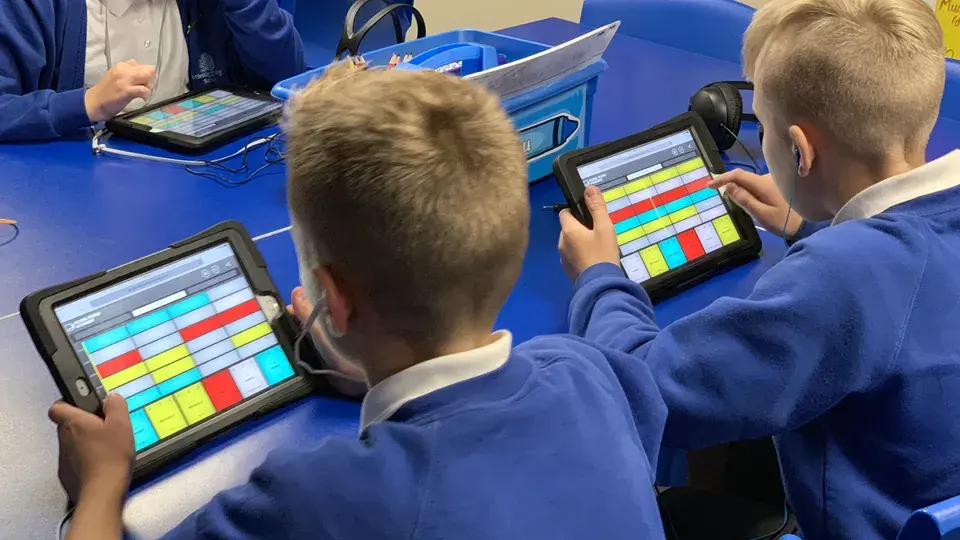
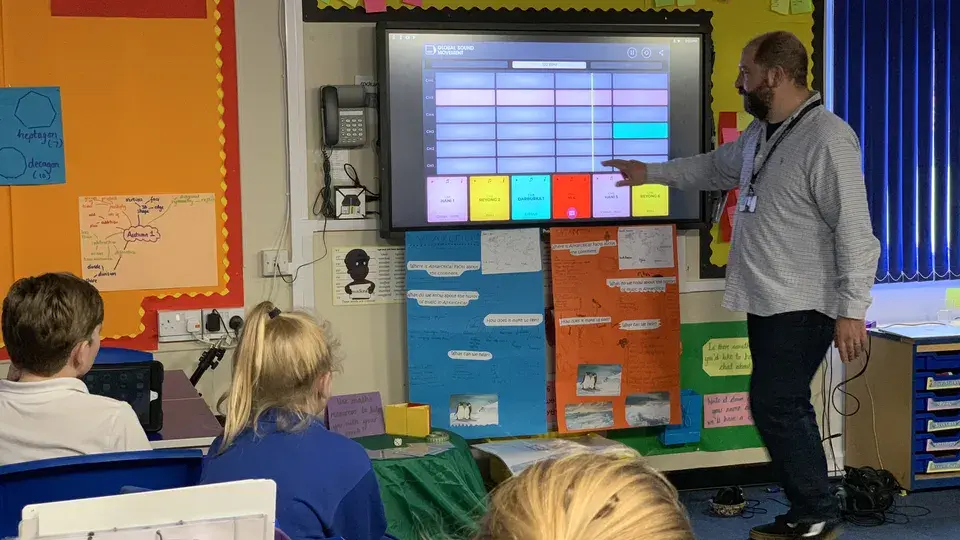
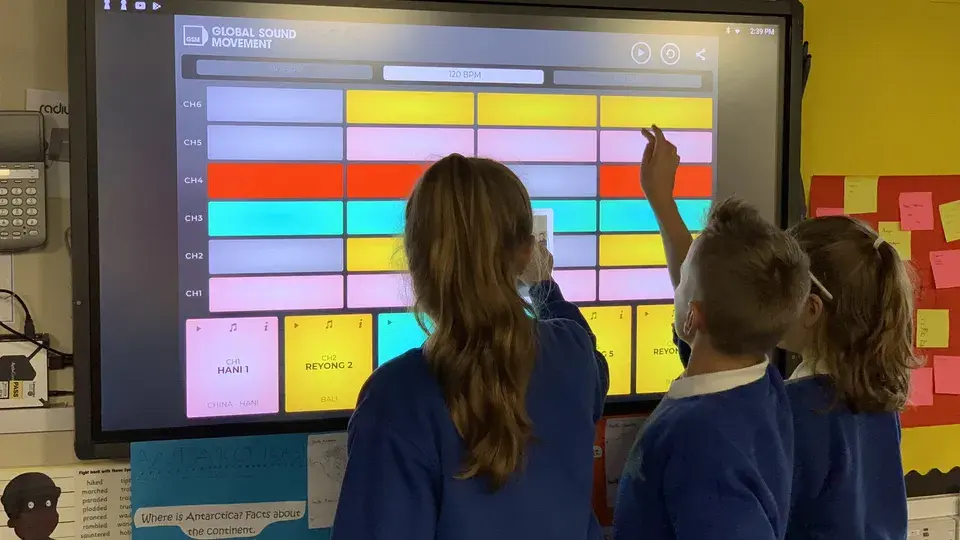
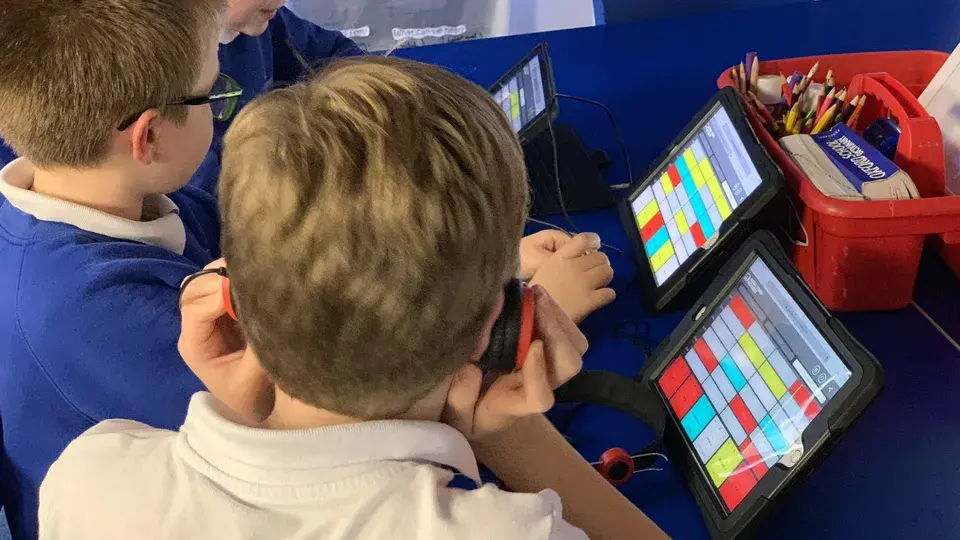
Situated within digital performance and sonic arts research, the project also engages with scholarship on technological mediation and cultural production. Born (2011) emphasises that musical technologies actively shape social relations and value systems, while van Dijck (2013) demonstrates how platforms can reconfigure access to cultural expression. By embedding global sound materials within an accessible web-based interface, the GSM Player operationalises these theories in practice, allowing users to explore world sounds through creative sequencing rather than passive consumption.
As a research-led digital artefact, the GSM Player contributes to UoA 34 by advancing knowledge on inclusive music practices, digital performance ecologies, and intercultural engagement. Its public-facing deployment enables demonstrable reach beyond academia, while its design-led enquiry evidences the generation of new insights through creative practice, fulfilling REF criteria for originality, significance, and rigour within practice-as-research.
Addtional insight
Listen on Spotify
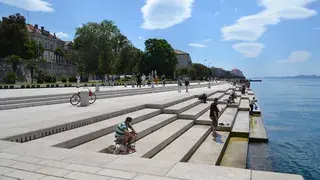
Discover the story of Morske Musak, a project inspired by Croatia’s remarkable Sea Organ powered entirely by the movement of the sea, now on Spotify.
Watch on YouTube
Step inside the world of Morske Musak. Inspired by Croatia’s remarkable Sea Organ, this exhibition reveals how the power of the sea can become music. Watch on YouTube.
Additional Information
Originality
The GSM Player demonstrates originality through its reconceptualisation of music sequencing as an inclusive, browser-based participatory practice rather than a specialist compositional tool. Unlike conventional digital audio workstations or educational music software, the GSM Player is designed explicitly for non-musicians, positioning creative engagement itself as a form of research enquiry. This approach is underpinned by Small’s theory of musicking (1998), which reframes music as an activity constituted through participation, and by Turino’s participatory music model (2008), which prioritises inclusivity over virtuosity.
Originality is further evidenced by the project’s integration of culturally diverse sound materials within a web platform that enables users to explore world sounds through sequencing and play. By operationalising theories of participation and digital mediation (Born, 2011; van Dijck, 2013) through interface design, the GSM Player advances a novel configuration of practice, theory, and technology. The research contribution lies not in the creation of new musical genres, but in the generation of new knowledge about how digital platforms can enable creative agency and intercultural engagement in music-making.
Significance
The significance of the GSM Player lies in its contribution to key disciplinary concerns within UoA 34, particularly debates around access, participation, and the social role of musical practice. By lowering technical and educational barriers, the project addresses long-standing exclusions within music production and performance cultures. Its relevance is amplified by its public-facing deployment, enabling engagement beyond academic and professional music communities.
The project’s significance is reinforced through its alignment with internationally recognised scholarship in music and digital culture. The use of Small and Turino situates the research within established performance and ethnomusicological discourse, while Born and van Dijck extend its relevance to contemporary digital and platform studies. This interdisciplinary grounding supports the project’s broader cultural and educational relevance, aligning with REF priorities around public engagement, inclusivity, and societal benefit.
Rigour
Rigour is demonstrated through the GSM Player’s practice-as-research methodology, in which creative practice functions as both method and outcome. The research process involved iterative design, testing, and refinement of the platform, informed by critical engagement with relevant theoretical frameworks. The relationship between theory and practice is explicit: concepts of participation, mediation, and musicking are embedded within the platform’s functional and aesthetic design choices.
The selected bibliography reflects a focused and authoritative engagement with peer-reviewed and field-defining sources rather than an extensive but superficial literature review. This depth of engagement ensures methodological coherence and evidences a rigorous research framework appropriate to practice-based digital music research within UoA 34. The GSM Player thus meets REF expectations for robustness, transparency, and intellectual consistency in practice-as-research outputs.
Bibliography
Christopher Small (1998) - Musicking: The meanings of performing and listening
Thomas Turino (2008) - Music as social life: The politics of participation
Georgina Born (2011) - Music and the materialization of identities
José van Dijck (2013) - The culture of connectivity
Related Articles
Sound of Heritage
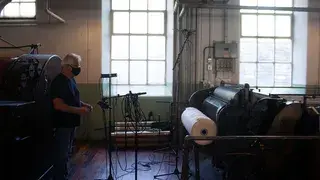
A sonic heritage project capturing and preserving the sounds of Lancashire’s historic spaces through field recording, archiving, and sound practice.
The Hani Big Drum: Virtual Preservation and Sonic Heritage
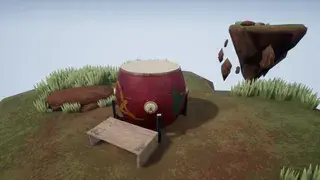
A practice-based research output that investigates how immersive technologies can support the ethical preservation and transmission musical heritage.
Morske Musak
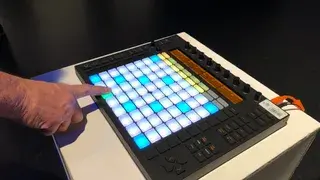
A sonic art installation developed by the GSM that investigates the relationships between sound, architecture, environment, and participatory authorship.