
When Sound Becomes Heritage: Preserving the Living Voice of St Walburge’s
Preserving the living sonic heritage of St Walburge’s Church, Preston, through archival recording, podcasts, and safeguarding the Gregorian chant tradition.
At Global Sound Movement, we believe sound is one of humanity’s most powerful cultural archives. Long after buildings change, borders shift, or communities disperse, sound retains something deeply human. Identity, memory, ritual, and place. Through our work, we document and preserve endangered sonic heritage across the world, creating archives that protect not only recordings but the cultural meaning behind them.
This philosophy sits at the heart of our latest collaboration with St Walburge’s Church in Preston.
Following a major £245,380 grant from The National Lottery Heritage Fund, St Walburge’s is embarking on an ambitious restoration and heritage programme that will preserve both the physical fabric of the church and the living traditions that continue within it.
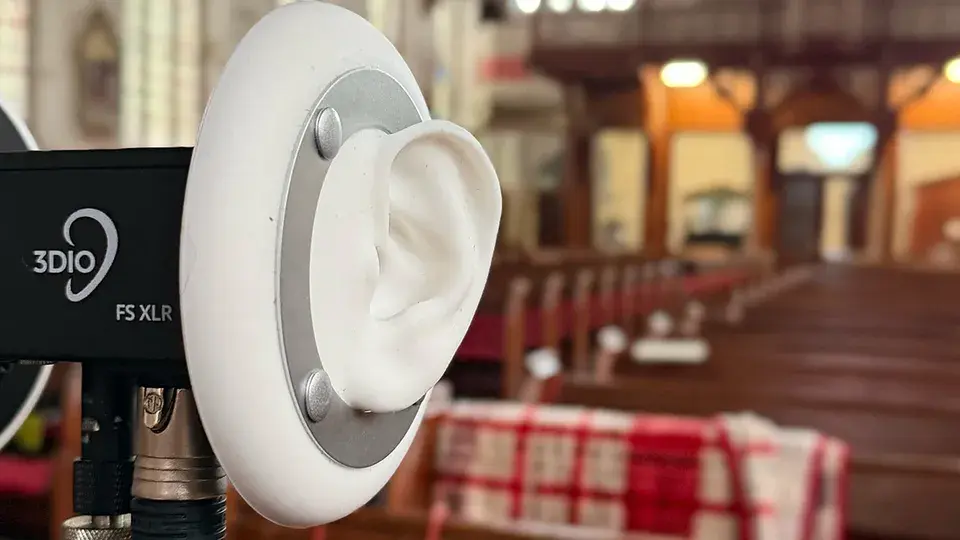
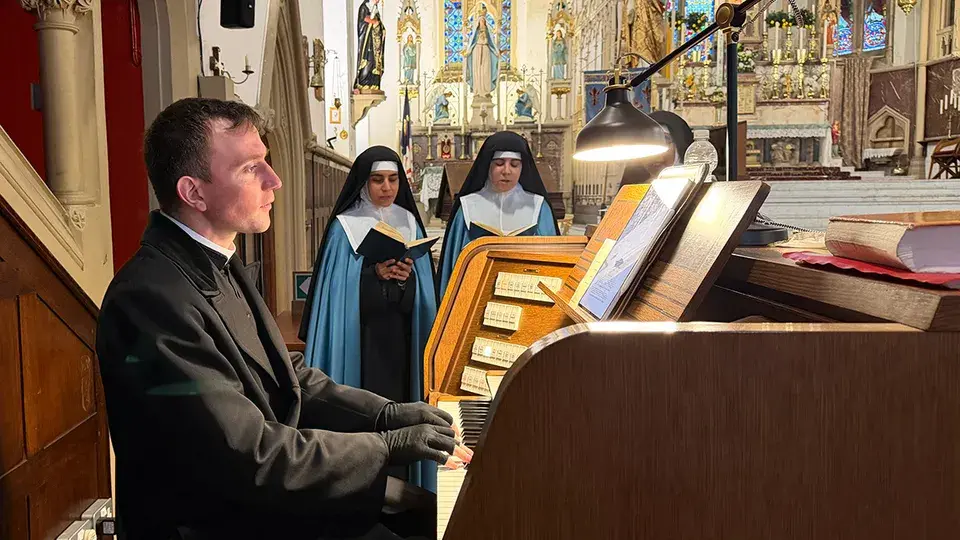
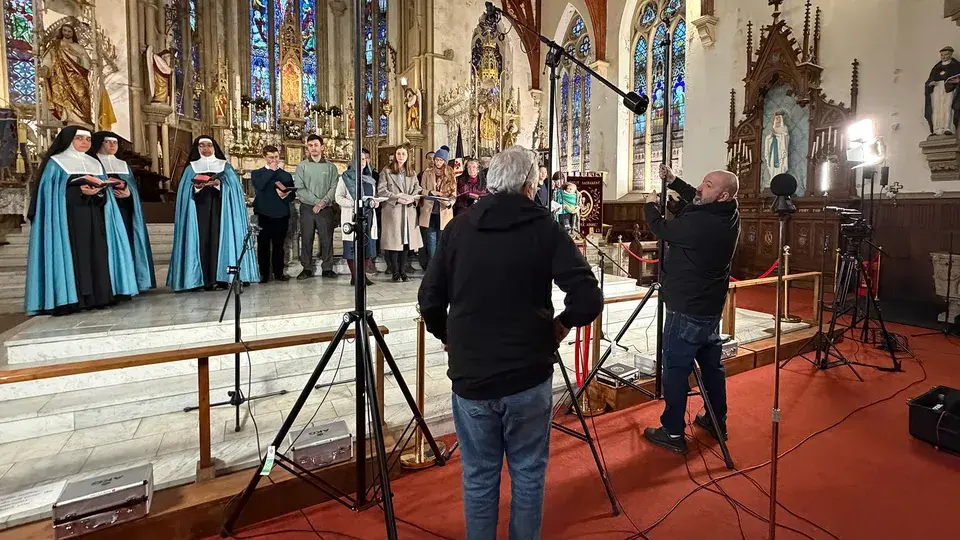
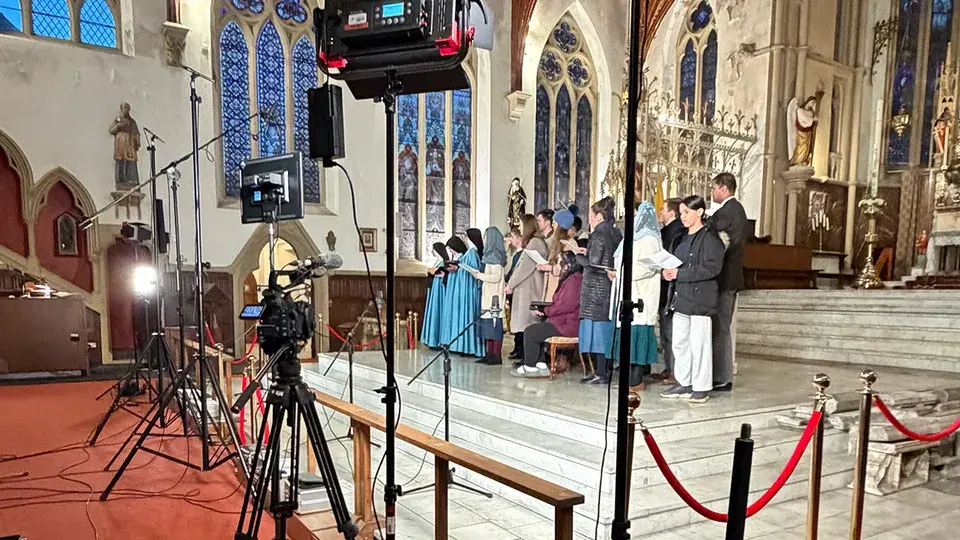
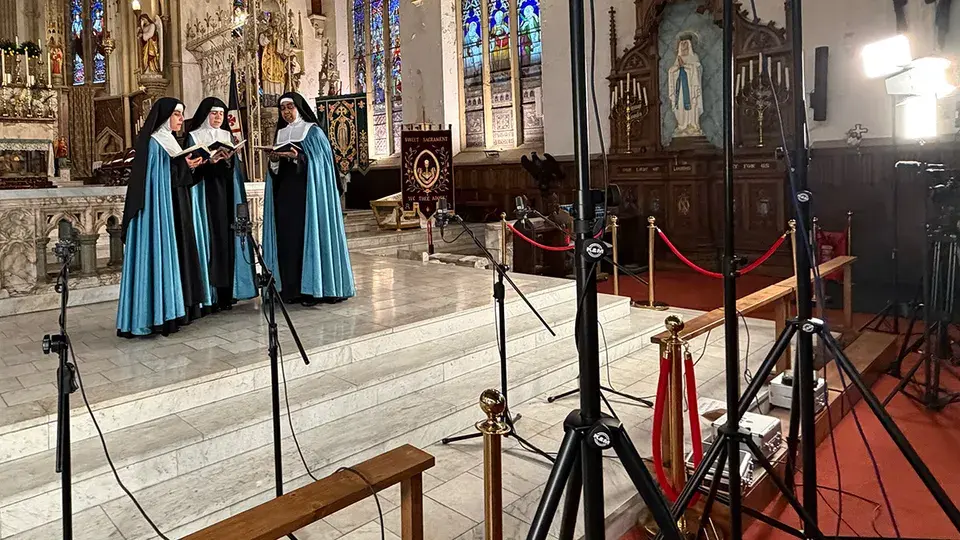
As part of the project, GSM will work alongside Lancashire County of Song and community partners to safeguard and share the church’s extraordinary tradition of Gregorian chant through archival recording, documentation, podcast production, and digital preservation.
More Than Recording Sound
For GSM, projects like this are never simply about capturing audio. They are about documenting culture in context.
The sound of Gregorian chant inside St Walburge’s is inseparable from the building itself — the reverberation beneath the vast hammerbeam roof, the movement of liturgy through space, the rhythm of ritual, and the continuity of voices that have echoed through the church for generations.
This is living heritage. Not reconstruction, not performance, not nostalgia. This is a living sonic tradition that continues today.
Our approach combines:
- Ethnographic field recording: capturing sound within its real cultural environment
- Cultural collaboration: working with communities to preserve traditions authentically
- Archival rigour: creating structured, long-term preservation for future generations
- Applied impact: transforming recordings into education, research, podcasts, and public engagement
At St Walburge’s, these principles come together in a project that protects both tangible and intangible heritage simultaneously.
Creating Archives That Future Generations Can Hear
Across the world, communities are losing unique sonic identities at an unprecedented pace. Languages disappear. Ceremonies fade. Acoustic environments become homogenised. Once lost, these sounds cannot truly be recreated.
That is why GSM focuses on creating enduring cultural archives preserving not only rare sounds, but the stories, environments, and human experiences surrounding them. The St Walburge’s project reflects this mission perfectly.
Alongside the conservation of thousands of historical archive items and restoration work across the church, the sonic heritage programme ensures that future generations will still be able to experience the spiritual and cultural atmosphere that defines this remarkable place.
Read more: www.cbcew.org.uk